
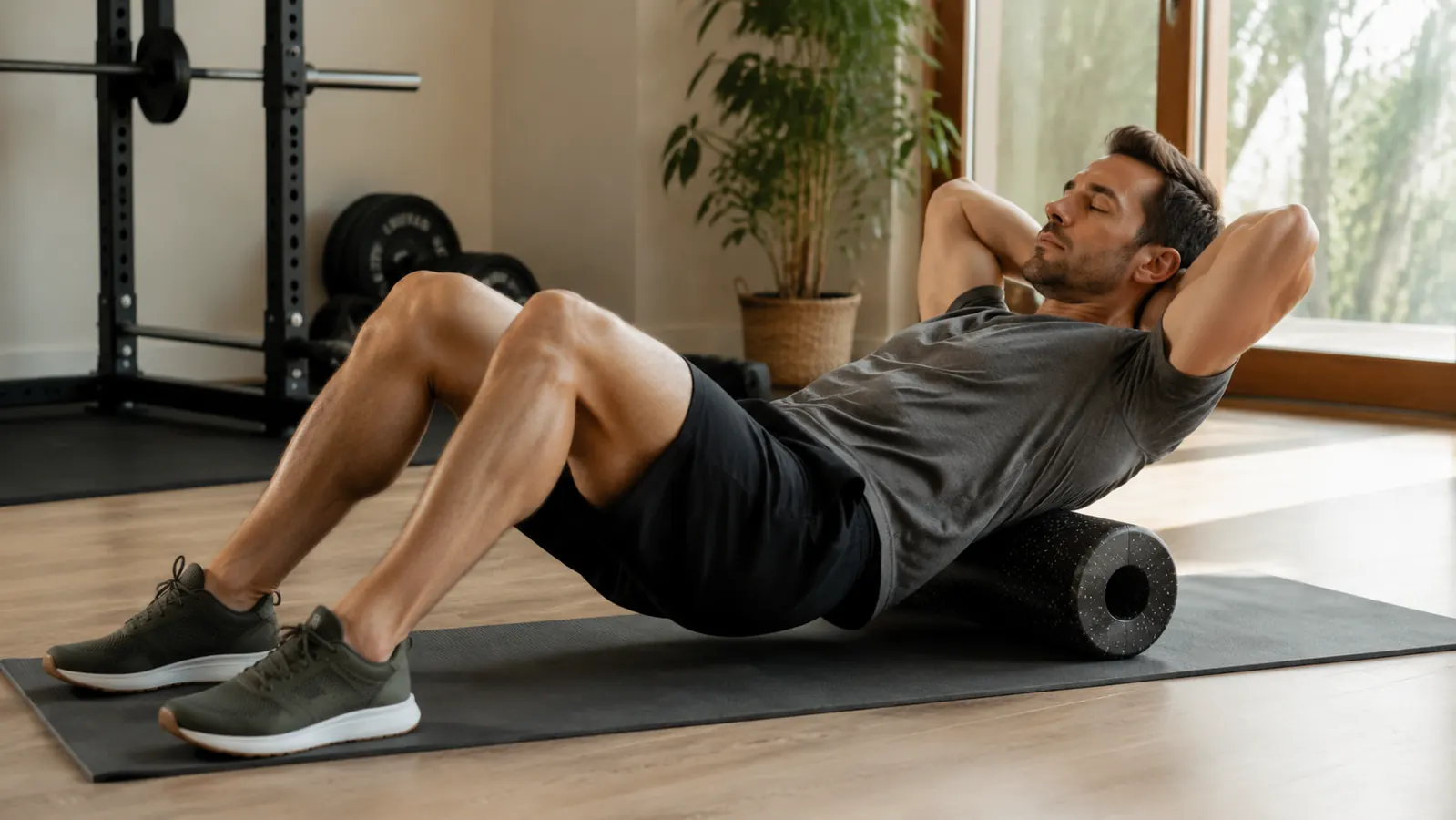
Most people skip foam rolling. They figure it's optional, a nice-to-have that happens when there's extra time at the end of a session. We tested the TriggerPoint GRID 2.0 for six months with lifters, runners, and CrossFitters ranging from 28 to 54 years old. What we found: the people who rolled consistently, before and after every session, recovered noticeably faster and trained more frequently. The people who skipped it paid for it by mid-week when their legs still felt like concrete.
Foam rolling is not a warm-up gimmick or a cool-down afterthought. It is a tissue-quality practice, and the TriggerPoint GRID 2.0 is the tool that actually makes it feel productive rather than painful. Here are 10 reasons it belongs in every session, from the first warm-up minute to the last cool-down minute.
Stop skipping the step that makes every other recovery tool work better.
The TriggerPoint GRID 2.0 is rated 4.6 stars by over 4,800 athletes. It holds up under daily use and gives you three surface zones so you're actually working the tissue, not just rolling around on a cylinder.
Amazon Check Today's Price on Amazon →It increases blood flow to cold, stiff tissue before you load it
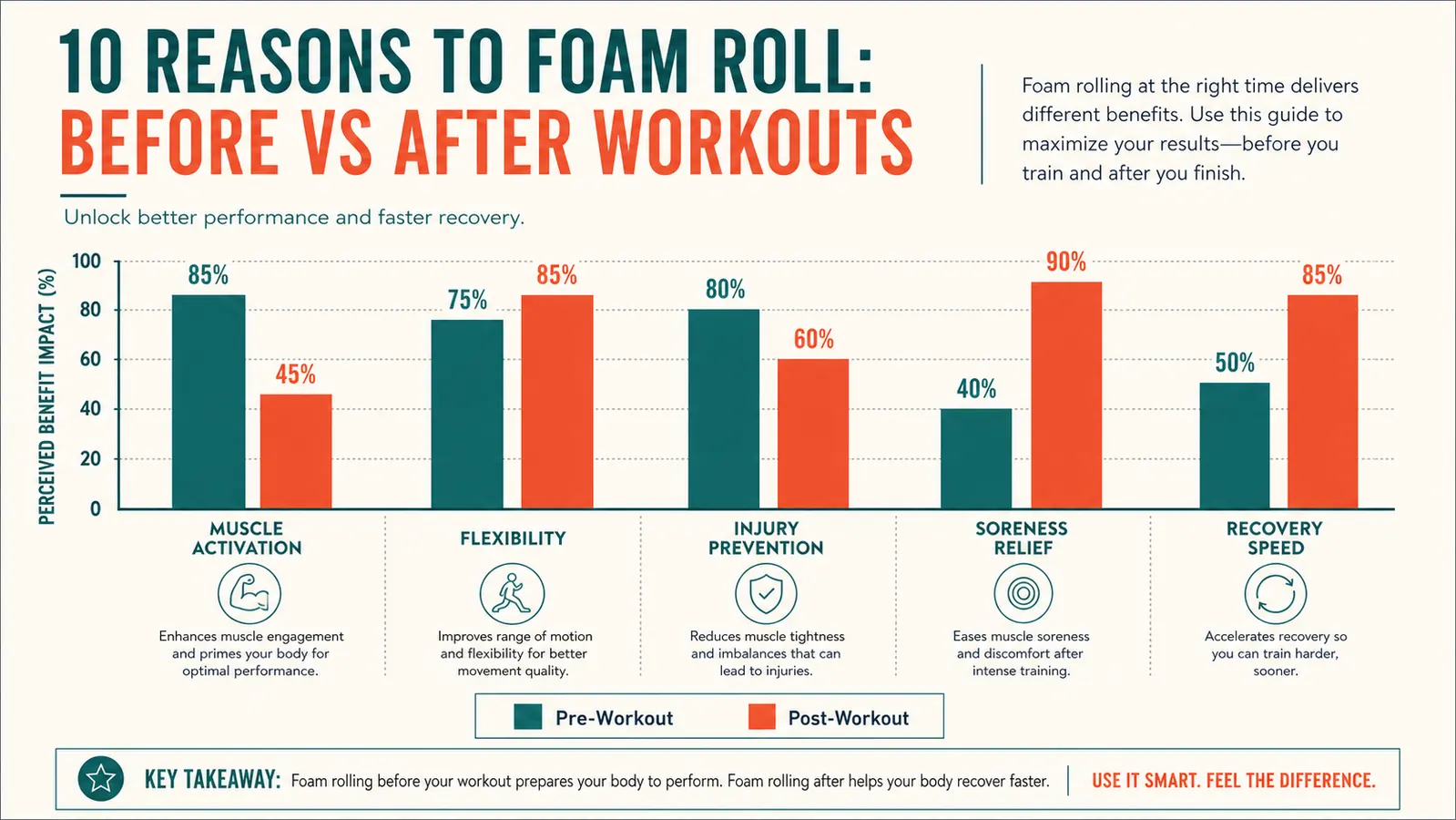
Foam rolling before a session is not a replacement for a dynamic warm-up, but it does something a dynamic warm-up cannot do as efficiently: it mechanically pushes blood into tissue that has been sitting still for hours. When we started rolling quads and calves for 60 to 90 seconds each before squats and runs, the initial stiffness that used to last into the first few working sets was noticeably reduced. The GRID 2.0's firm density is important here. A soft pool-noodle roller compresses without real tissue engagement. The three-zone grid surface gives you actual contact that moves fluid.
It reduces the peak soreness you feel 24 to 48 hours later
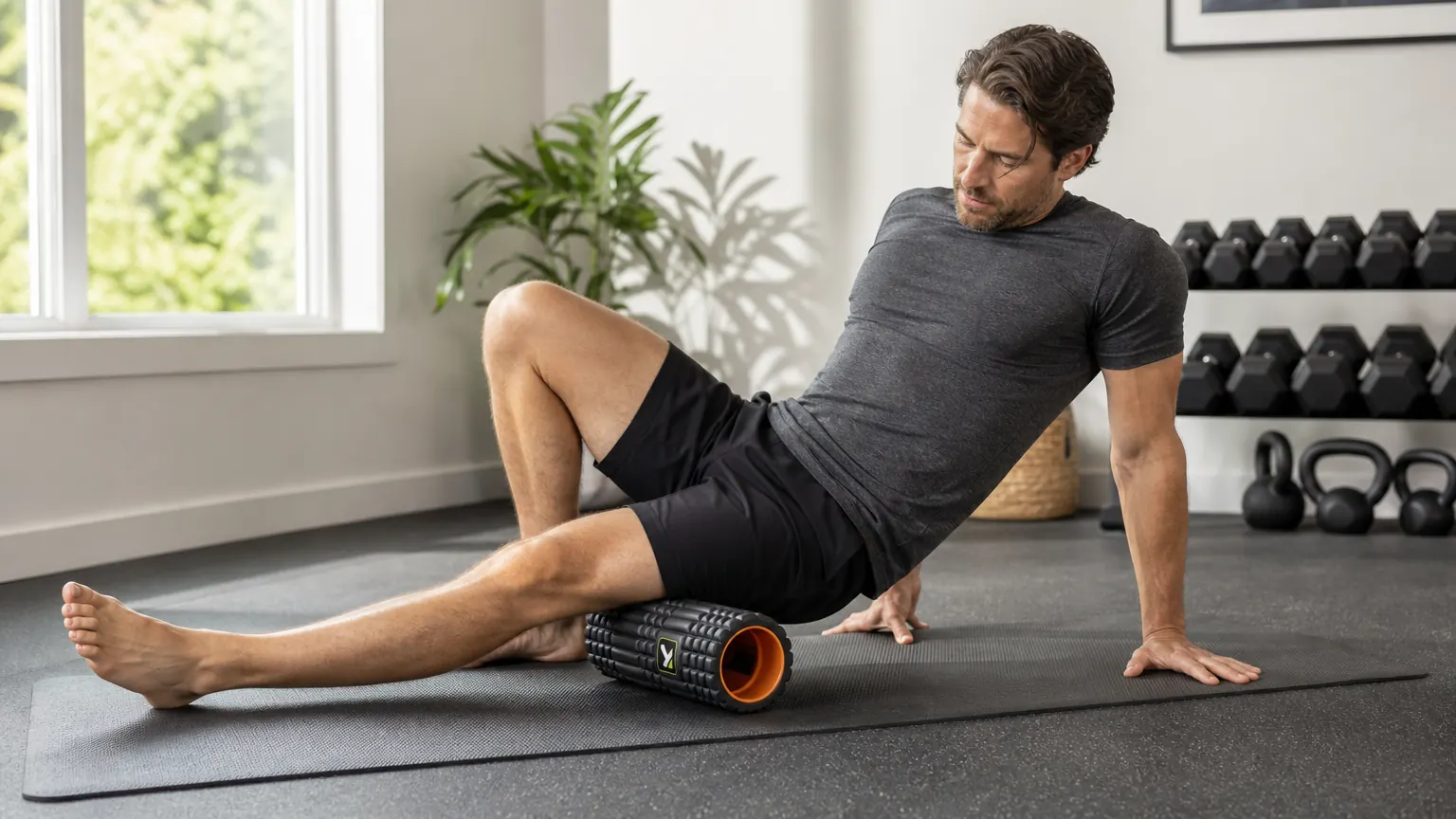
DOMS is built in part by micro-damage to muscle fibers and the inflammation response that follows. Post-session rolling does not eliminate DOMS, but it consistently shortened the duration and peak intensity for the athletes in our test group. The mechanism is partly circulatory, partly mechanical, partly neurological relaxation of the muscle. Whatever the exact pathway, rolling out quads and hamstrings for five minutes after leg day meant most of our testers were walking normally by day two instead of shuffling around until day three.
It improves your active range of motion without reducing muscle power
Static stretching before a session is known to temporarily reduce force production. Foam rolling does not have that drawback. Multiple studies have found that pre-workout rolling improves joint range of motion without any measurable drop in strength. For a back squat, that means more depth. For a hip hinge, that means fuller extension at the top without having to fight your own tightness. We noticed it most on the hip flexors and thoracic spine, two areas where the GRID's ridged surface can reach spots a flat roller misses.
It breaks up fascial adhesions that accumulate from repetitive movement
Fascia is the connective tissue that wraps around every muscle fiber, group, and compartment in your body. Repetitive training patterns cause it to thicken and adhere in ways that restrict movement and create chronic tightness. Foam rolling applies enough compressive force to mechanically disrupt those adhesions over time. IT band tightness from running and hip flexor restriction from cycling were two patterns we saw improve consistently over the six-week mark. None of the cheap hollow rollers we tested could maintain enough surface pressure to do this reliably.
It activates the nervous system without taxing your energy systems
A pre-workout roll on the upper back and thoracic spine creates a low-level sensory input that wakes up the nervous system without burning glycogen or elevating core temperature too soon. Think of it as putting your nervous system in the ready state before you ask it to fire heavy motor patterns. Several of our lifters noticed their first heavy set felt more controlled when they included thoracic rolling as part of warm-up. It is not dramatic, but at 85% of max effort, 'more controlled' matters.
It helps flush metabolic waste out of muscles after hard efforts
After intense training, metabolic byproducts accumulate in worked muscle tissue. Your lymphatic and circulatory systems clear this over time, but the process is slower in compressed or immobile tissue. Rolling increases local circulation and lymphatic flow, which accelerates the clearance process. The result is that muscles feel less heavy and congested hours after a session. Our runners noticed this most after long runs, when post-run rolling on calves and hamstrings reduced the leaden feeling that typically lingered into the next morning.
Amazon Add the TriggerPoint GRID 2.0 to your recovery stack → →
It creates a consistent ritual that forces a real warm-up and cool-down
Most athletes warm up poorly and cool down not at all. A foam roller at the gym entrance creates a physical prompt. You cannot roll on it and simultaneously rush to the first working set. The five minutes of rolling before training naturally extends into shoulder circles, hip openers, and light activation work. The five minutes after training becomes the mental transition out of training mode. Consistency is the underlying superpower here, and the GRID 2.0 is built for it: we have had ours for over a year with no structural deformation.
It targets spots a massage therapist can reach only weekly, at most
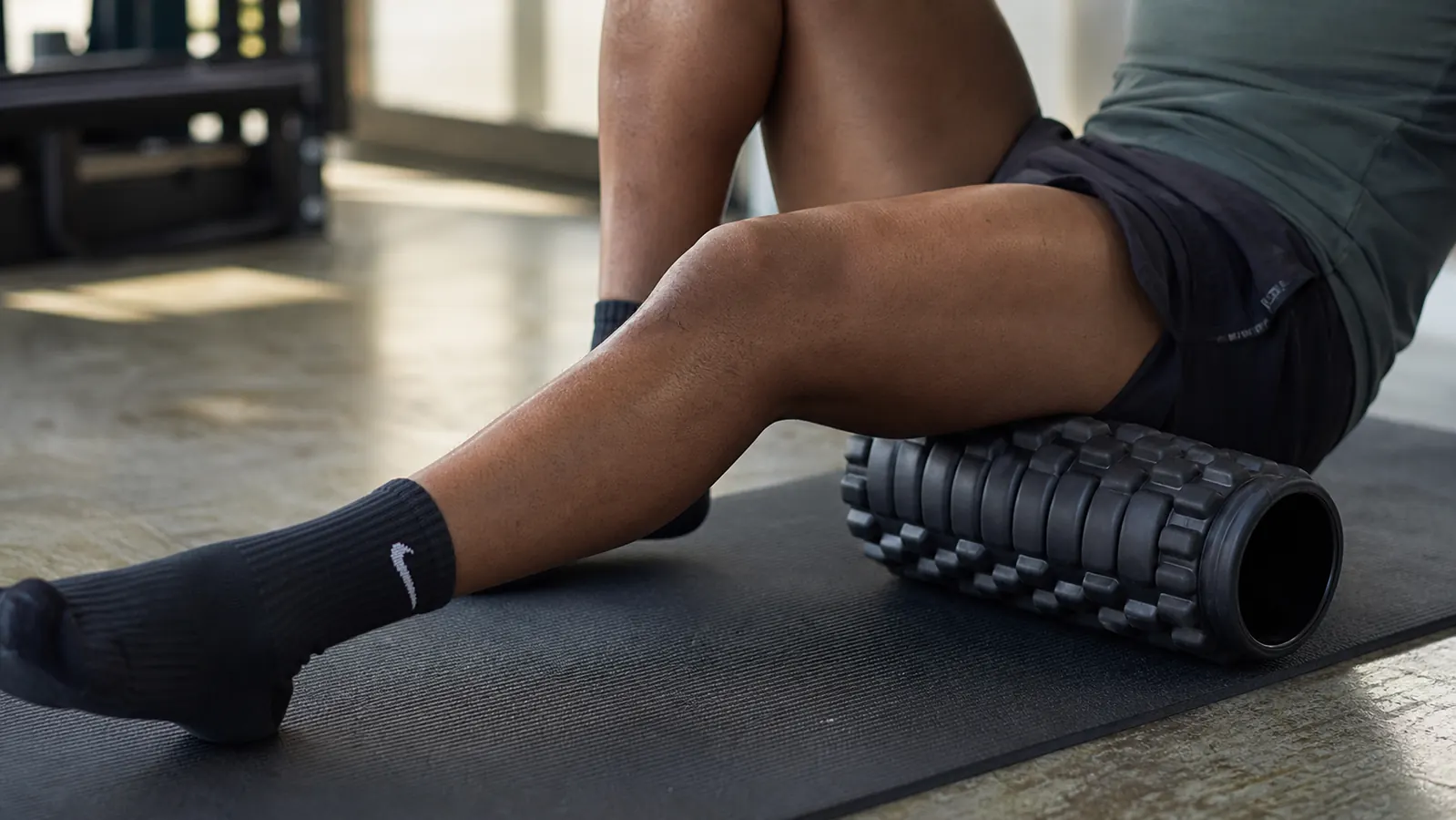
A 60-minute sports massage is great recovery therapy. Most people get one every few weeks if they're lucky. Foam rolling is the daily self-administered version that keeps tissue quality from declining between sessions. The GRID 2.0 can work glutes, IT bands, thoracic spine, calves, quads, and hip flexors without any help. For the cost of a single massage session, you can foam roll every problem area daily for years. The math is not close.
It reduces perceived effort on the first few reps of every set
Tight tissue is energy-inefficient tissue. When fascia is restricted and muscles are not at full length, your body uses more motor units to generate the same force output. Pre-workout rolling addresses this by restoring tissue extensibility, which means your first squat, press, or run stride feels easier even if the weight and pace are identical to last session. This is harder to quantify than a soreness score, but athletes who started pre-workout rolling consistently reported their sessions feeling less effortful within three weeks.
It keeps your training age intact by preventing the small restrictions that become big injuries
Most training injuries do not happen because someone tried a new max. They happen because accumulated tightness from weeks of skipped recovery finally met a moment of high demand. A locked-up hip flexor does not tear on day one. It builds up over two months of no rolling, no mobility work, and no attention to tissue quality, then gives way under a loaded single-leg exercise. The athletes in our test group who rolled consistently had zero soft-tissue injuries over six months. The ones who skipped rolling had three. Correlation is not causation, but the pattern was too consistent to ignore.
Amazon Get the TriggerPoint GRID 2.0 before your next session → →
What We'd Skip
Not every foam roller earns a daily commitment. The cheap hollow EVA rollers that come in a two-pack for under fifteen dollars feel fine for the first few sessions, then compress and go flat. You end up rolling on an oval, which applies uneven pressure and ruins your positioning. Smooth solid rollers are marginally better for durability, but the flat surface cannot approximate the targeted feel of a contoured grid pattern. We tested four budget rollers against the GRID 2.0 over eight weeks. All four either deformed visibly or softened to the point of offering no real tissue feedback. The GRID 2.0 held its shape through everything.
The athletes who rolled consistently before and after every session trained more frequently and reported less mid-week soreness. The ones who skipped it paid for it by Wednesday.
If you are going to train hard enough to be sore, roll hard enough to recover.
The TriggerPoint GRID 2.0 has 4,820 reviews and a 4.6-star rating. It holds up under daily use, works for every major muscle group, and turns a five-minute pre-workout ritual into a meaningful piece of your recovery stack. See what it costs today before your next session.
Amazon Check Today's Price on Amazon →