

My physical therapist first told me to foam roll in 2021. I had IT band tightness that was making every ride over 30 miles feel like someone was pressing a thumbtack into my outer knee. She handed me a sheet with six illustrations on it, told me to do it every night, and said foam rolling would make a real difference in how my legs felt. I nodded, bought a ten-dollar black cylinder from a sporting goods store, and used it twice before it rolled under my bed and stayed there.
I went back three months later with the same problem. She asked if I had been rolling. I admitted that I had not. She did not seem surprised.
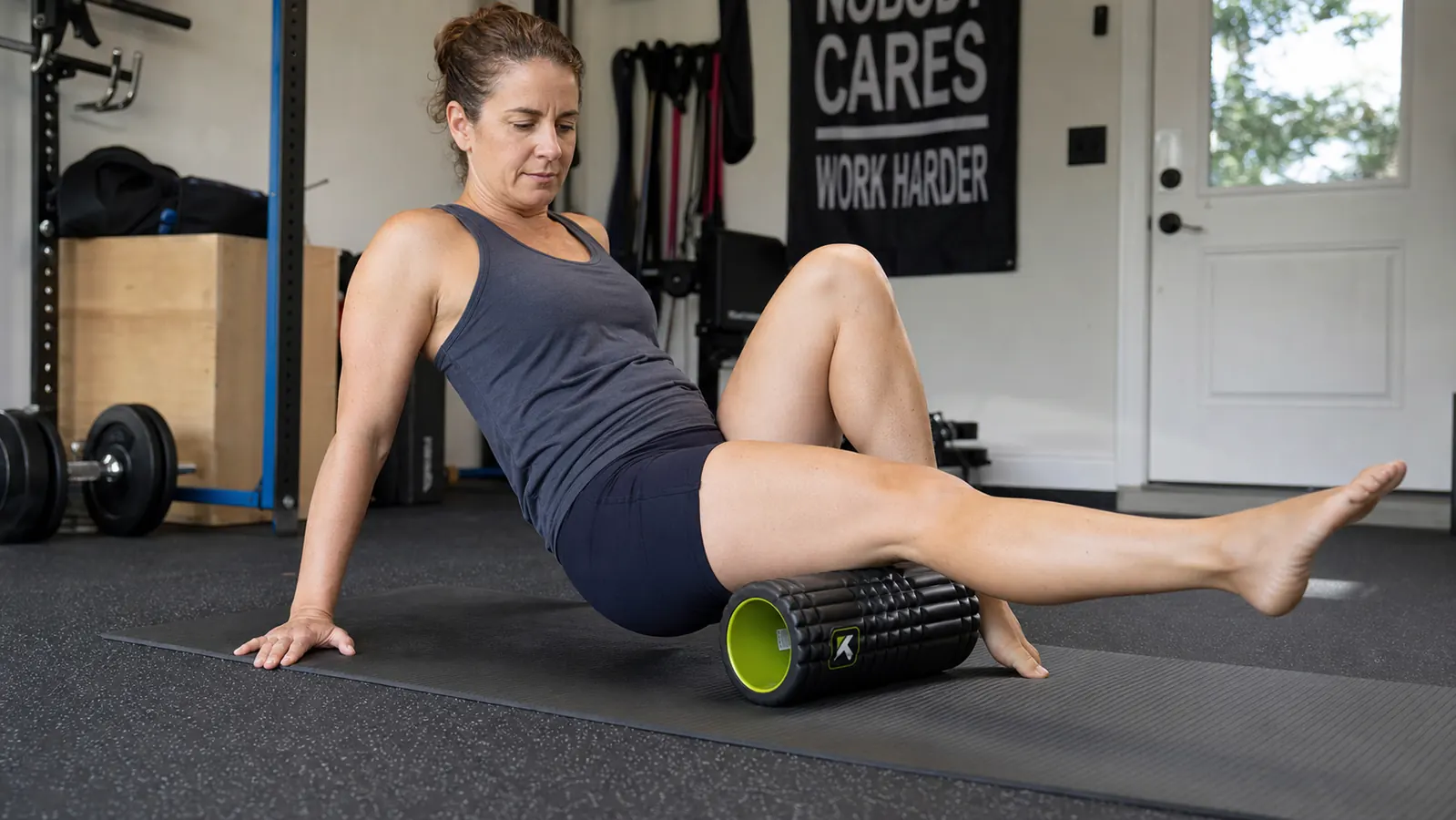
The thing was, I wanted to do it. I just could not get myself to actually get down on the floor with that stupid hard tube and stay there for the fifteen or twenty minutes she was recommending. The roller hurt in a way that felt pointless rather than productive. I would hit a tight spot, tense up trying to get away from the discomfort, roll off, and call it done. It felt like suffering without payoff.
I went through three rollers over two years. The cheap black cylinder. A slightly nicer grid-pattern roller that was too short and kept tipping over. A vibrating one that buzzed so aggressively I could not hold a position long enough to feel anything. Each one got used for a week or two and then quietly retired to the equipment graveyard in my spare room. My PT kept telling me the tool was not the problem. I kept telling myself that maybe foam rolling just was not for me.
I would hit a tight spot, tense up trying to get away from the discomfort, roll off, and call it done. Three years of that pattern before I figured out the roller was the problem, not me.
Then last fall, I watched a video my PT sent me. She was demonstrating the TriggerPoint GRID 2.0 in her clinic, walking through exactly how to slow down and find the right pressure on the IT band. I noticed she was using a specific roller, and I looked it up. The GRID 2.0 is a 13-inch hollow-core roller with a three-zone surface, meaning different sections have different surface densities built into the foam wrap. There is a flat zone, a ridge zone, and a node zone. The idea is that you can target different tissue types by shifting your position slightly, getting broader contact where you need it and more concentrated pressure where things are knotted up.
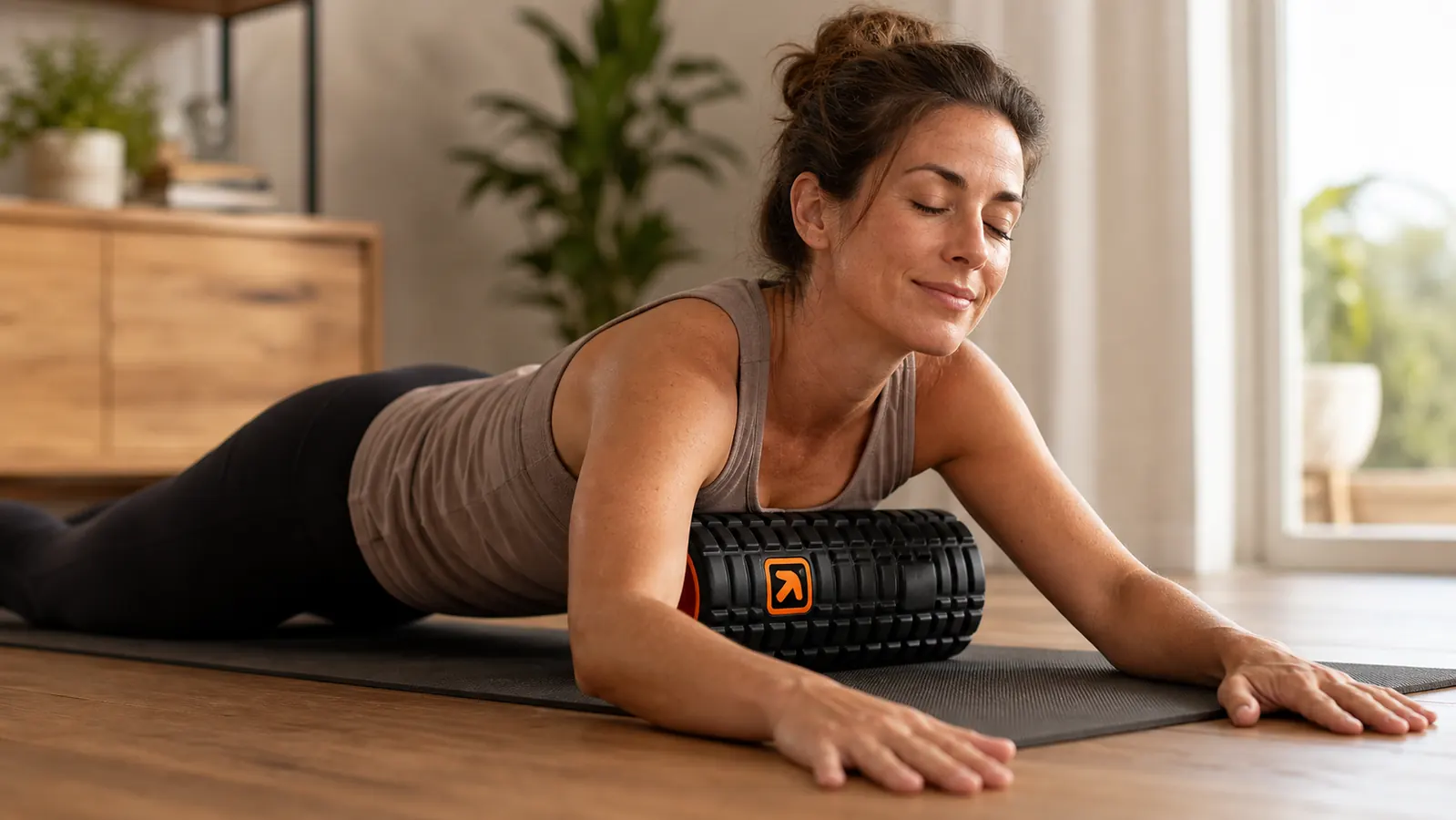
I looked at the current price on Amazon and hesitated. It was meaningfully more than the rollers I had tried before. But then I thought about the fact that I had already spent money on three rollers that were now collecting dust, and I bought it. The TriggerPoint GRID 2.0 arrived two days later.
If your cheap roller is collecting dust, there is probably a reason it did not stick
The TriggerPoint GRID 2.0 has 4,820 reviews on Amazon and a 4.6-star rating because the surface design actually changes how rolling feels. Check the current price before your next long ride.
Amazon Check Today's Price on Amazon →The first night I used it, something clicked. The hollow core means the roller does not collapse under your body weight the way a foam-only roller does, so the pressure stays consistent. I could actually sit on a tight spot in my outer quad and breathe into it instead of tensing up and rolling away. The different surface zones let me figure out what felt useful versus what just hurt. I spent about twelve minutes on both legs that first session. It did not fix three years of tightness overnight, but I got up from the floor feeling like I had actually done something.
Six weeks later, I had rolled consistently for the first time in my life. Not every single night, but most nights after a hard ride, and always on rest days. My IT band is not a non-issue, it probably never will be completely given how much I ride, but the constant low-level tightness that used to live in my outer knee had quieted down. I stopped dreading long Saturday rides the way I had been. My legs felt more ready on Tuesday than they did the whole prior season.

The GRID has a 13-inch length, which fits across the widest part of my thighs comfortably. It is firm enough that bigger athletes will get adequate pressure without the roller bottoming out, but the zoned surface means it does not feel like rolling on a pipe. There is a 21-inch version for people who want more coverage on longer muscles. I stuck with the standard 13-inch and it has been enough for everything I need.
What I'd Tell You If We Were Sitting at My Kitchen Table
Here is the honest version: the TriggerPoint GRID 2.0 is not magic. Foam rolling in general is not magic. It does not fix overuse problems the way rest and load management do, and it is not a substitute for actual PT work if something is seriously wrong. My IT band still gets cranky when I pile on too many miles without a recovery week. The roller did not change that.
What it changed was whether I would actually get on the floor and do the work. Three years of cheap rollers that I could not tolerate using consistently meant three years of skipping the habit my PT kept telling me I needed. The GRID's surface design made rolling feel productive enough that I stopped avoiding it. That is the whole story. If you are somebody who has bought rollers before and they are sitting in a corner somewhere, the question worth asking is whether the problem was the habit or the tool. For me it was the tool.
If you are already rolling consistently with something else, you may not need to switch. But if rolling has never stuck for you despite genuinely wanting it to, the GRID 2.0 is worth trying before you write off the practice entirely. Check the long-term review on this site for a deeper breakdown of the surface design and durability over time. And if you want to know exactly how to use it for IT band and hip flexor work specifically, the step-by-step guide covers the protocol my PT walked me through.
Ready to try the roller your PT probably already keeps in the clinic
The TriggerPoint GRID 2.0 Foam Roller is available on Amazon with free Prime shipping. See the current price and read what 4,820 other users say about it.
Amazon Check Today's Price on Amazon →